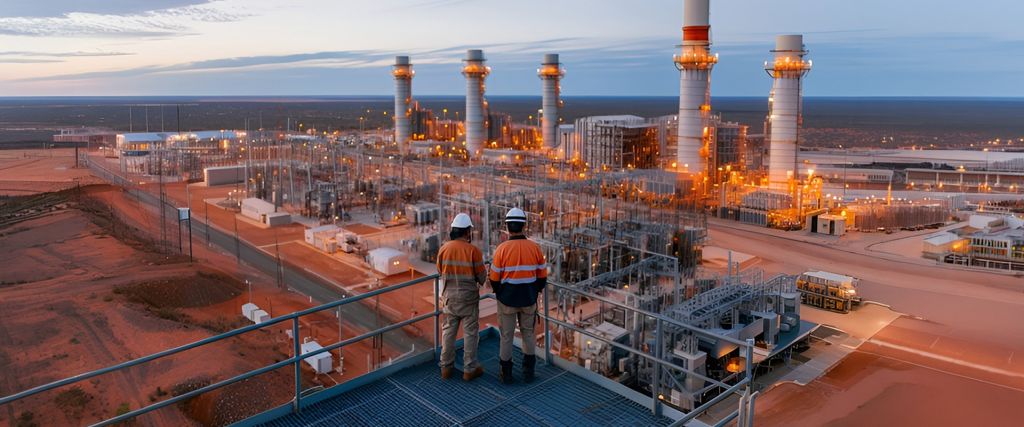
Successful Commissioning Begins Long Before Equipment Arrives on Site
Commissioning is often viewed as the final stage of a critical power project, but from an engineering perspective, it should never be the point where fundamental problems are first identified.
By the time a DC power system reaches site, equipment should already have progressed through engineering design, manufacturing, inspection and Factory Acceptance Testing (FAT). Installation and commissioning are intended to validate that the system has been correctly installed and performs as designed within its operational environment.
The most successful commissioning projects aren’t defined by how many issues are resolved on site. They’re defined by how few unexpected issues are encountered.
Installation Quality Influences Long-Term Reliability
Even the best engineered DC power system can have its long-term reliability compromised by poor installation practices.
Correct cable termination, mechanical assembly, battery installation, earthing, ventilation clearances and equipment positioning all influence system performance and future maintainability.
Site conditions should also be assessed before energisation. Environmental factors such as temperature, dust, moisture, vibration and available maintenance access can all affect long-term reliability if they differ from the assumptions made during system design.
Installation and commissioning activities should also align with recognised Australian and international standards governing DC power system installations, supporting long-term safety, compliance and reliability.
This isn’t simply about placing equipment into service. It’s about ensuring the physical installation supports reliable operation throughout the life of the asset.
Verification Is More Than Energising the System
Commissioning involves far more than confirming that equipment powers up.
Engineers systematically verify charger operation, battery polarity, DC distribution voltages, protection device settings, alarm functionality, monitoring interfaces and communications before placing the system into operational service.
Where integrated monitoring systems are installed, alarm points, remote communications and supervisory interfaces should also be validated to ensure operators receive accurate information once the system becomes operational.
Each verification activity reduces uncertainty and builds confidence that the complete DC power system will perform as intended under normal operating conditions and during a loss of AC supply.
Documentation Is Part of the Engineering Process
Accurate documentation is often overlooked as part of commissioning, yet it plays an important role throughout the operational life of the asset.
As-built drawings, equipment schedules, protection settings, commissioning records, test results and operating manuals provide the reference point for future maintenance, upgrades and fault investigation.
Without accurate documentation, even routine maintenance activities become more complex as engineers attempt to verify system configuration before undertaking work.
Well-managed documentation therefore contributes not only to compliance but also to long-term maintainability and asset management.
Commissioning Is the Beginning of the Asset Lifecycle
Once commissioning has been completed, responsibility shifts from project delivery to long-term asset performance.
The information gathered during installation and commissioning establishes the baseline against which future inspections, maintenance and testing are assessed.
Initial battery measurements, charger operating parameters, protection settings and monitoring configuration become valuable reference points for identifying changes in system performance over time.
A structured handover, supported by complete documentation and operational training where required, helps ensure Australian infrastructure operators begin the asset lifecycle with confidence in the installed system.
Engineering Confidence Through Verification
Perhaps the greatest value of commissioning isn’t demonstrating that equipment operates.
It’s demonstrating that the complete DC power system has been engineered, installed and verified as an integrated solution.
Every successful verification reduces operational uncertainty. Every completed test provides greater confidence that batteries, chargers, protection devices and monitoring systems will continue working together when critical infrastructure depends on them.
For engineers, commissioning isn’t the finish line.
It’s the point where design intent is successfully translated into operational performance.
At Intelepower, commissioning forms part of a broader engineering process that begins with system design and continues through testing, lifecycle support and ongoing asset management, helping critical infrastructure operators achieve dependable long-term performance with Intelepower DC power systems.
Reliable Commissioning Starts with Sound Engineering
Successful installation and commissioning rely on more than completing a checklist. They depend on engineering expertise, structured testing and thorough verification across the complete DC power system.
Discover how Intelepower supports critical infrastructure projects through engineering design, Factory Acceptance Testing, commissioning and ongoing lifecycle support.
Explore our DC power solutions or speak with our engineering team.