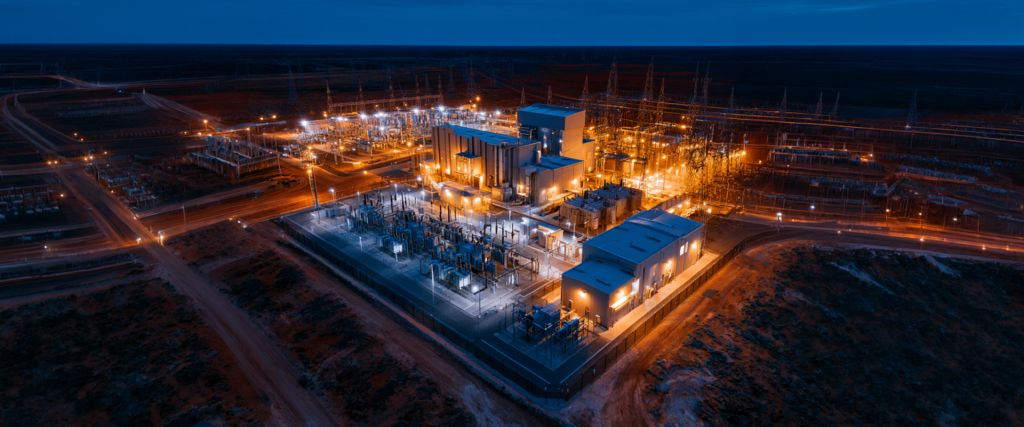
Reliable Infrastructure Depends on More Than Reliable Equipment
A well-engineered DC power system may spend decades supporting critical infrastructure with little visible intervention. During that time, battery characteristics gradually change, connected loads evolve, environmental conditions fluctuate and operational requirements shift. None of these changes are unusual, but together they influence how the system will perform when it’s needed most.
That’s why asset management has become a fundamental part of critical power engineering. Reliability isn’t preserved simply because quality equipment was installed at commissioning. It depends on understanding how the complete DC power system changes throughout its operational life and responding before those changes affect performance.
The Role of Asset Management Is Changing
Historically, standby power maintenance often focused on scheduled inspections and periodic battery testing.
While these activities remain essential, modern asset management takes a broader view of system performance. Rather than treating batteries, chargers and monitoring equipment as separate assets, engineers increasingly assess how the complete DC power system continues to support operational requirements over time.
This shift reflects the growing expectations placed on Australian critical infrastructure. Utilities, telecommunications providers, transport operators and industrial facilities are seeking to maximise asset life, improve operational resilience and reduce unplanned maintenance without compromising reliability.
Achieving these outcomes requires more than a maintenance schedule. It requires ongoing engineering assessment throughout the asset lifecycle.
Testing Is About Understanding System Health
Routine testing provides far more than confirmation that equipment is operational.
Battery capacity testing, charger performance verification, alarm validation, monitoring checks and visual inspections all contribute to understanding the condition of the complete system.
Importantly, testing also provides trend information.
Changes in battery performance, charger behaviour or operating temperature may be gradual and remain within acceptable limits for some time. However, identifying these trends early allows engineers to investigate underlying causes before they develop into operational issues.
The objective isn’t simply to identify equipment that has failed. It’s to understand how system performance is changing and what that means for future reliability.
Maintenance Should Support Reliability, Not Just Compliance
Maintenance is often associated with compliance requirements, but its engineering value extends much further.
Regular inspection helps confirm batteries are operating within their intended charging parameters, chargers continue regulating correctly, protection devices remain functional and monitoring systems provide accurate operational information.
Maintenance activities also provide opportunities to review whether the installation continues reflecting its original design assumptions.
- Have connected loads increased?
- Has additional equipment been installed?
- Do battery replacement plans still align with operational requirements?
These questions are just as important as the physical inspection itself because infrastructure rarely remains unchanged throughout its service life.
Replacement Planning Reduces Operational Risk
All critical infrastructure assets have a finite operational life.
Battery replacement should therefore be viewed as part of long-term asset planning rather than a reactive maintenance activity.
Replacing batteries too early can increase lifecycle costs unnecessarily. Waiting too long increases the risk of reduced autonomy, unplanned outages and emergency replacement activities.
Effective replacement planning considers battery condition, operational performance, environmental influences, maintenance history and the broader infrastructure program.
When replacement strategies are integrated with wider asset management plans, organisations can improve budget certainty, minimise operational disruption and better coordinate maintenance activities across multiple sites.
Asset Management Supports Better Engineering Decisions
One of the greatest benefits of structured asset management is the information it provides over time.
Maintenance records, testing results, monitoring data and operational history create a clearer understanding of how a DC power system is performing under real operating conditions.
This information supports better engineering decisions around maintenance priorities, system upgrades, capacity expansion and future replacement programs.
Rather than relying on assumptions, engineers can make decisions based on how the asset is actually performing throughout its operational life.
Looking Beyond Maintenance
Perhaps the biggest change in critical power engineering is recognising that asset management is not simply about maintaining equipment. It’s about maintaining confidence that the entire DC power system will perform as intended when it’s needed most. That confidence is built through disciplined maintenance, condition monitoring and informed lifecycle planning rather than reactive intervention.
Ultimately, effective asset management transforms maintenance from a reactive activity into an engineering discipline focused on preserving reliability throughout the life of the asset.
For organisations responsible for critical infrastructure, that shift supports improved resilience, reduced operational risk and greater confidence in the long-term performance of critical power systems.
Reliable Asset Management Starts with the Complete System
Long-term reliability depends on more than routine maintenance. It requires a structured approach to testing, monitoring and lifecycle planning across the entire DC power system.
Discover how Intelepower helps infrastructure operators maintain reliable critical power systems through engineering expertise, proactive asset management and long-term lifecycle support.
Explore our DC power solutions or speak with our engineering team.