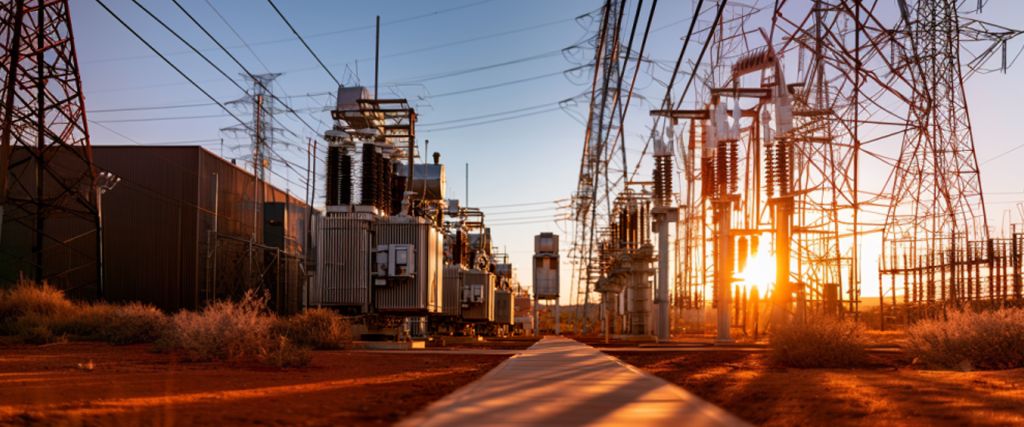
Australia’s Environment Changes the Engineering Challenge
A DC power system that performs reliably in a controlled environment may face very different demands when installed in a remote substation, telecommunications shelter or industrial facility in regional Australia.
High ambient temperatures, long travel distances, airborne dust, coastal corrosion and limited site access all influence long-term system performance. While equipment specifications provide an important starting point, experienced engineers know that successful critical power systems are designed around the operating environment, not just the datasheet.
For critical infrastructure, reliability depends on understanding the conditions a system will experience over decades of operation and engineering a solution capable of performing within those conditions.
Environmental Conditions Influence Every Design Decision
Designing DC power systems for Australian conditions begins with understanding the environment in which they will operate.
Ambient temperature influences battery performance, charger operation and equipment service life. Remote locations may require extended maintenance intervals and greater reliance on system monitoring. Coastal installations introduce corrosion considerations, while mining and industrial sites often demand higher levels of environmental protection and mechanical durability.
These factors influence battery technology selection, charger sizing, enclosure design, ventilation, cable routing, equipment layout and maintenance planning.
The engineering objective isn’t simply to achieve compliance. Engineering decisions should also align with recognised Australian and international standards governing DC power system installations, supporting long-term safety, reliability and performance.
Heat Is One of the Most Significant Design Considerations
Temperature is one of the most influential factors affecting DC power system performance.
Elevated ambient temperatures can accelerate battery ageing, influence charger performance and increase thermal stress across electrical equipment. Enclosure design, ventilation strategy and equipment spacing therefore become important engineering considerations rather than installation details.
Where air conditioning cannot be relied upon or is not practical, systems should be designed to operate within the expected environmental conditions rather than assuming ideal operating temperatures.
Engineering for thermal performance helps preserve battery life, improve equipment reliability and reduce the likelihood of premature asset replacement.
Remote Infrastructure Requires a Different Engineering Approach
Many Australian infrastructure assets operate hundreds of kilometres from major service centres.
Routine maintenance may require significant travel, while access can be restricted by weather, operational constraints or network requirements. In these environments, system reliability depends not only on equipment performance but also on maintainability.
Engineers increasingly consider remote monitoring capability, equipment accessibility, component standardisation and lifecycle support during the design phase to reduce future maintenance complexity.
Designing with maintenance in mind helps minimise site visits while supporting faster fault diagnosis and more efficient asset management throughout the system lifecycle.
Local Engineering Supports Better Infrastructure Outcomes
Critical infrastructure projects rarely follow a standard template.
Operational requirements vary between utilities, telecommunications providers, transport operators and industrial facilities. Local environmental conditions, regulatory requirements and maintenance strategies also differ from site to site.
Working with locally based engineering teams provides valuable insight into these operating environments while supporting closer collaboration throughout specification, design, manufacturing, testing and commissioning.
This engineering continuity helps ensure systems are designed around real operational requirements rather than generic assumptions.
Engineering for the Life of the Asset
A successful installation is only the beginning.
As infrastructure evolves, operational demands change and equipment ages, engineering decisions made during the design phase continue influencing maintenance requirements, replacement planning and long-term reliability.
Designing for Australian conditions therefore extends beyond selecting equipment capable of operating on the day of commissioning. It requires considering how the system will perform through years of exposure to heat, environmental stress and changing operational requirements.
Systems designed with these realities in mind are generally better positioned to deliver dependable performance throughout their operational life.
Engineering for Real Operating Conditions
Perhaps the greatest difference between a standard power system and an engineered power solution is the way the operating environment influences every design decision.
Datasheets define product capability. Engineering determines how that capability is applied.
By considering environmental conditions, maintenance access, asset lifecycle and operational risk from the earliest stages of a project, infrastructure operators can improve reliability while reducing the long-term challenges associated with operating critical power systems across Australia’s diverse environments.
At Intelepower, every DC power solution is engineered with these practical realities in mind, helping critical infrastructure operators achieve reliable, resilient performance wherever their assets are located.
Engineering Solutions Built for Australian Conditions
Reliable DC power systems are designed for the environments in which they’ll operate, not just the specifications they’ll meet.
Discover how Intelepower’s locally engineered DC power solutions help infrastructure operators deliver reliable performance across Australia’s diverse operating conditions.
Explore our DC power solutions or speak with our engineering team.