Explore lifecycle discipline in DC power infrastructure including maintenance, monitoring and long-term reliability strategies.
Long term performance of DC power infrastructure depends on disciplined lifecycle management. In transmission and distribution environments, structured maintenance, condition monitoring and proactive planning sustain protection integrity over extended service horizons.
Maintaining the integrity of critical infrastructure is a non-negotiable priority for modern businesses. Whether managing remote telecommunications hubs or high-capacity data centres, the reliability of ups systems australia wide depends entirely on a proactive approach to cell health and component monitoring to prevent catastrophic downtime.

Lifecycle management begins with correct specification and commissioning. Systems must be configured to suit site specific conditions including thermal exposure, load profiles and redundancy requirements. Commissioning verifies integration with protection relays, control circuits and monitoring platforms, establishing a performance baseline.
The secret to an extended system lifespan is often found in the quality of the initial deployment. A professional DC Power System Installation ensures that environmental factors, load balancing, and thermal management are addressed at the outset, significantly reducing the likelihood of premature component failure during the middle of its lifecycle.
Once operational, DC power system maintenance must follow a defined program. Routine inspections, battery capacity testing, thermal assessments and charger performance verification identify early signs of degradation. These measures are particularly important at remote or unmanned sites where delayed fault detection increases operational risk.
Condition monitoring technologies improve lifecycle visibility. Continuous voltage monitoring, alarm systems and remote diagnostics enable engineering teams to assess system health without relying solely on periodic site visits.
Battery performance plays a central role in lifecycle reliability. Thermal stress, float conditions and cycling patterns influence service life. Engineers must account for these variables and implement monitoring strategies that detect declining capacity before protection capability is compromised.
End of life planning is equally important. Replacement schedules should be based on measured performance data and manufacturer guidance rather than reactive failure.
Ultimately, reliability is not a one-time event but a continuous commitment to excellence. By investing in a Quality Power Installation and adhering to a strict maintenance schedule through 2026 and beyond, you protect your capital investment and ensure that your critical loads remain supported, regardless of grid instability.
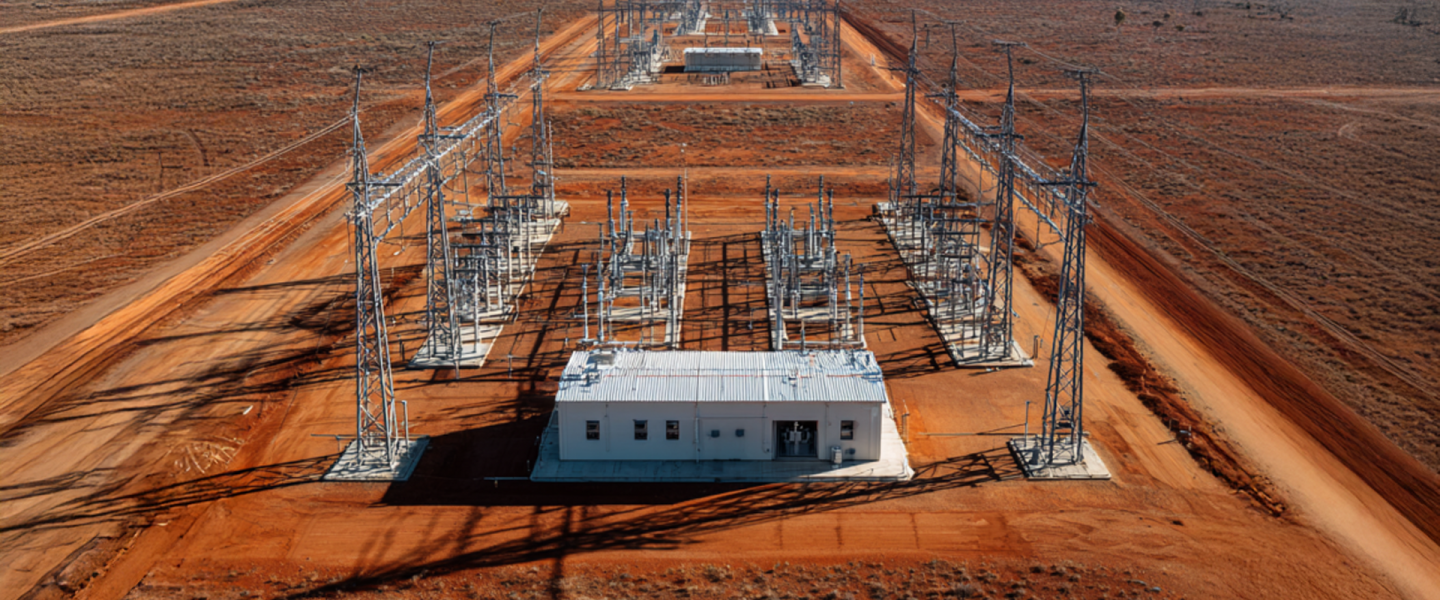
Embedding lifecycle management into operational strategy extends asset longevity, reduces risk and sustains reliable performance of DC power systems.