Learn why DC power systems are protection infrastructure, not auxiliary equipment, in transmission, distribution and industrial networks.
In transmission and distribution networks, DC power systems are often described as auxiliary infrastructure. From an engineering and risk perspective, this classification is inaccurate. DC power systems are not supporting equipment. They are protection infrastructure that underpins the safe and compliant operation of critical electrical assets.
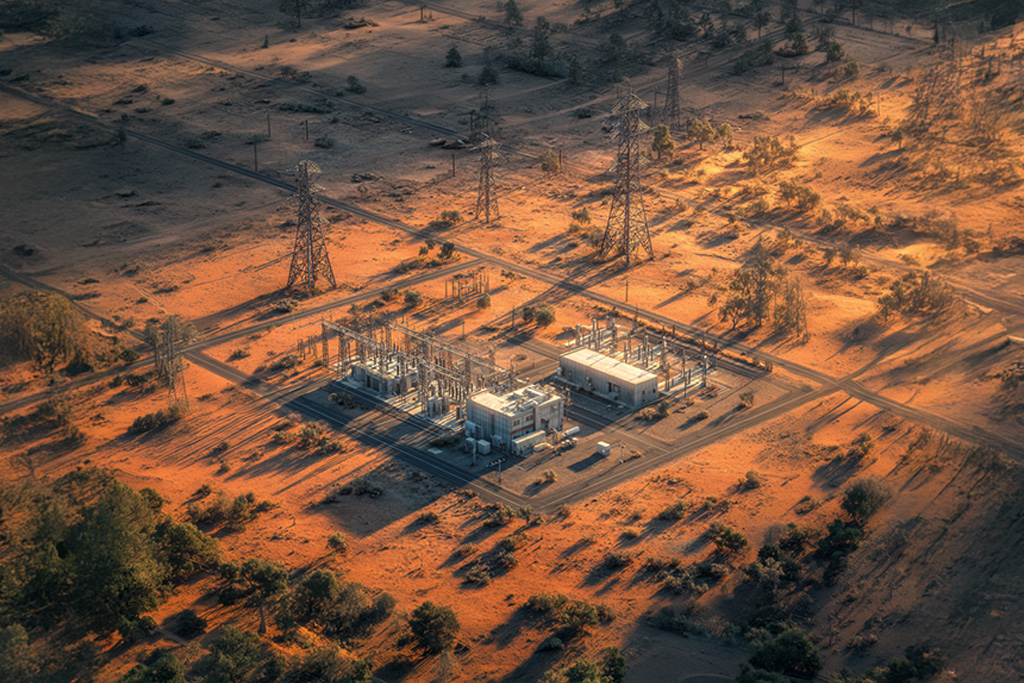
Protection relays, breaker trip circuits, control systems and communication interfaces rely on stable DC supply to operate during abnormal or fault conditions. When primary AC sources are compromised, the DC system must remain operational to isolate faults, maintain network integrity and prevent cascading failures. Any interruption to DC supply directly affects protection performance and increases operational risk.
Modern grid environments place sustained stress on DC infrastructure. Elevated ambient temperatures, geographically dispersed assets and increased regulatory scrutiny demand systems capable of continuous float operation under demanding conditions. Remote and unmanned sites intensify performance expectations because response times are extended and site access may be limited.
Engineering design must prioritise resilience and redundancy. Battery banks, rectifiers and distribution assemblies are configured to eliminate single points of failure. Voltage stability, alarm monitoring and predictable degradation behaviour are fundamental design considerations. These systems are engineered to ensure protection continuity under all operating scenarios.
Regulatory compliance reinforces this responsibility. Protection systems form part of safety frameworks that require documented assurance of performance under defined fault scenarios. Because protective relays depend on DC supply, the DC power system itself forms part of the compliance chain. It must be specified, tested and maintained with the same discipline applied to primary protection assets.
Lifecycle considerations are equally important. Thermal stress, float conditions and long service horizons influence battery performance and overall system reliability. Engineers must account for these variables during specification and implement monitoring strategies that identify degradation trends early.
Recognising DC power systems as protection infrastructure aligns engineering practice with operational reality. It strengthens specification discipline, maintenance planning and compliance verification. For asset owners and network operators, this approach reduces risk exposure and reinforces confidence in protection system performance.