Learn why DC power systems are protection infrastructure, not auxiliary equipment, in transmission, distribution and industrial networks.
In transmission and distribution networks, DC power systems are often described as auxiliary infrastructure. From an engineering and risk perspective, this classification is inaccurate. DC power systems are not supporting equipment. They are protection infrastructure that underpins the safe and compliant operation of critical electrical assets.
In critical networks, a DC power system acts as the ultimate safeguard against catastrophic failure. Implementing these systems as part of comprehensive Industrial Power System Services ensures that every vulnerability in the network is addressed. This holistic approach to protection infrastructure allows for seamless transitions during mains failures, protecting both hardware and data integrity.
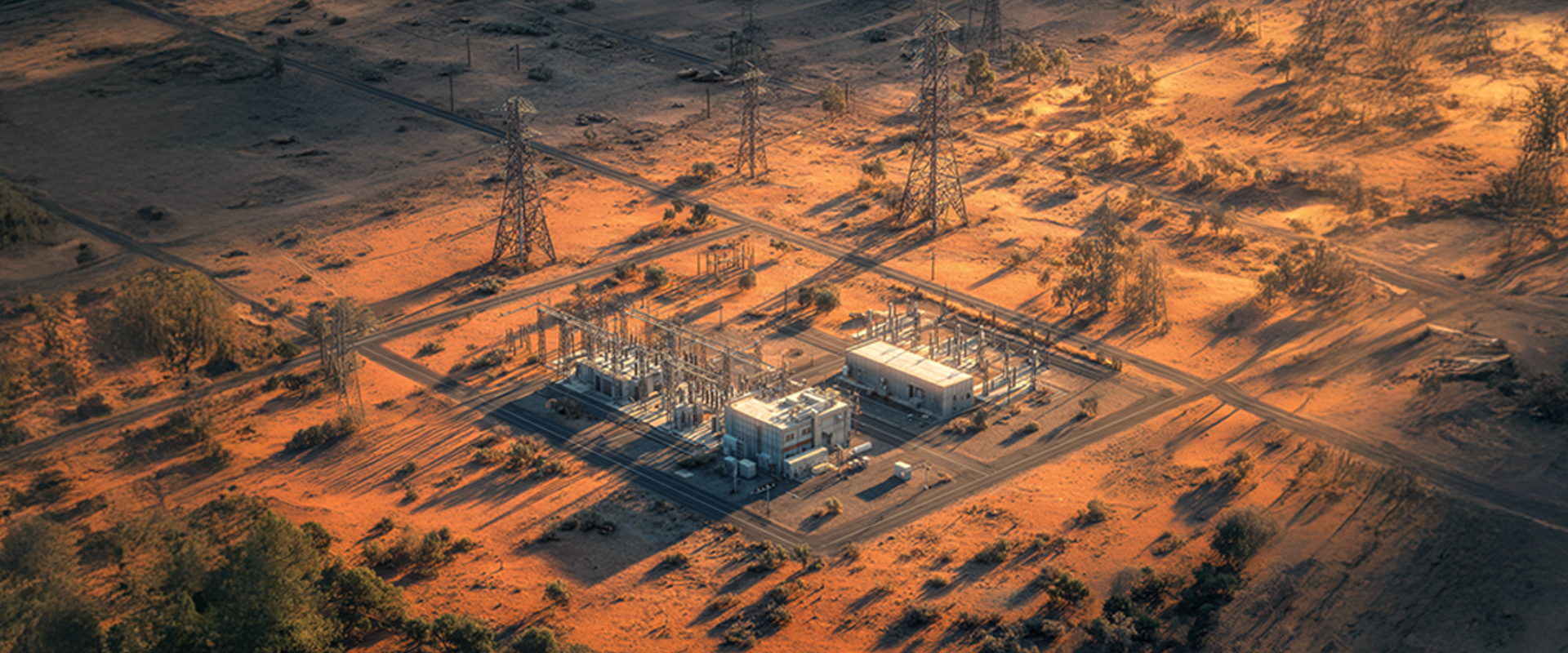
Protection relays, breaker trip circuits, control systems and communication interfaces rely on stable DC supply to operate during abnormal or fault conditions. When primary AC sources are compromised, the DC system must remain operational to isolate faults, maintain network integrity and prevent cascading failures. Any interruption to DC supply directly affects protection performance and increases operational risk.
When safeguarding high-voltage substations or automated transit loops, relying on mismatched third-party components introduces unnecessary vulnerabilities into your emergency backup loop. Utilizing our integrated design and construct delivery model ensures that your physical battery racks, intelligent switchgear, and digital control layers are engineered together from the outset. This unified approach removes 100% of standard multi-vendor integration friction, accelerating your deployment timelines by a substantial 10% to 15%.
Modern grid environments place sustained stress on DC infrastructure. Elevated ambient temperatures, geographically dispersed assets and increased regulatory scrutiny demand systems capable of continuous float operation under demanding conditions. Remote and unmanned sites intensify performance expectations because response times are extended and site access may be limited.
Engineering design must prioritise resilience and redundancy. Battery banks, rectifiers and distribution assemblies are configured to eliminate single points of failure. Voltage stability, alarm monitoring and predictable degradation behaviour are fundamental design considerations. These systems are engineered to ensure protection continuity under all operating scenarios.
Securing continuous up-time for telecommunications networks and processing plants requires a deep understanding of fault-isolation technology and thermal management. We apply a rigorous engineering design and construct methodology to ensure your custom enclosures and battery management panels effortlessly satisfy strict local compliance benchmarks. This meticulous planning ensures your infrastructure delivers 100% operational reliability, presenting an excellent opportunity for growth in your network’s long-term resilience.
The effectiveness of any protection network is defined by its ability to provide sustained power during an outage. Modern DC architectures often incorporate advanced energy storage solutions, such as high-density VRLA batteries or Lithium-ion batteries, to provide the necessary runtime. Selecting the right storage medium is vital for ensuring the system can handle the specific load profiles of telecommunications or utility hubs.
Regulatory compliance reinforces this responsibility. Protection systems form part of safety frameworks that require documented assurance of performance under defined fault scenarios. Because protective relays depend on DC supply, the DC power system itself forms part of the compliance chain. It must be specified, tested and maintained with the same discipline applied to primary protection assets.
Lifecycle considerations are equally important. Thermal stress, float conditions and long service horizons influence battery performance and overall system reliability. Engineers must account for these variables during specification and implement monitoring strategies that identify degradation trends early.
Before deploying modern high-capacity chargers or expanding your existing battery rooms, evaluating the health and remaining life cycle of your current infrastructure is a non-negotiable safety step. Commissioning a comprehensive Electrical Assets Audit is 100% critical to uncovering hidden circuit stress, checking localized harmonic distortion, and mapping out active load profiles. This forensic field evaluation ensures your new infrastructure integrates safely while complying with all relevant Australian safety regulations
While robust engineering provides the foundation for critical network protection, the long-term resilience of the system depends on consistent oversight. Dedicated Power System Maintenance and Support is required to identify potential points of failure, such as battery degradation or rectifier inefficiencies, before they compromise the network. At Intelepower, we ensure your protection infrastructure remains ‘site-ready’ through every stage of its operational life.
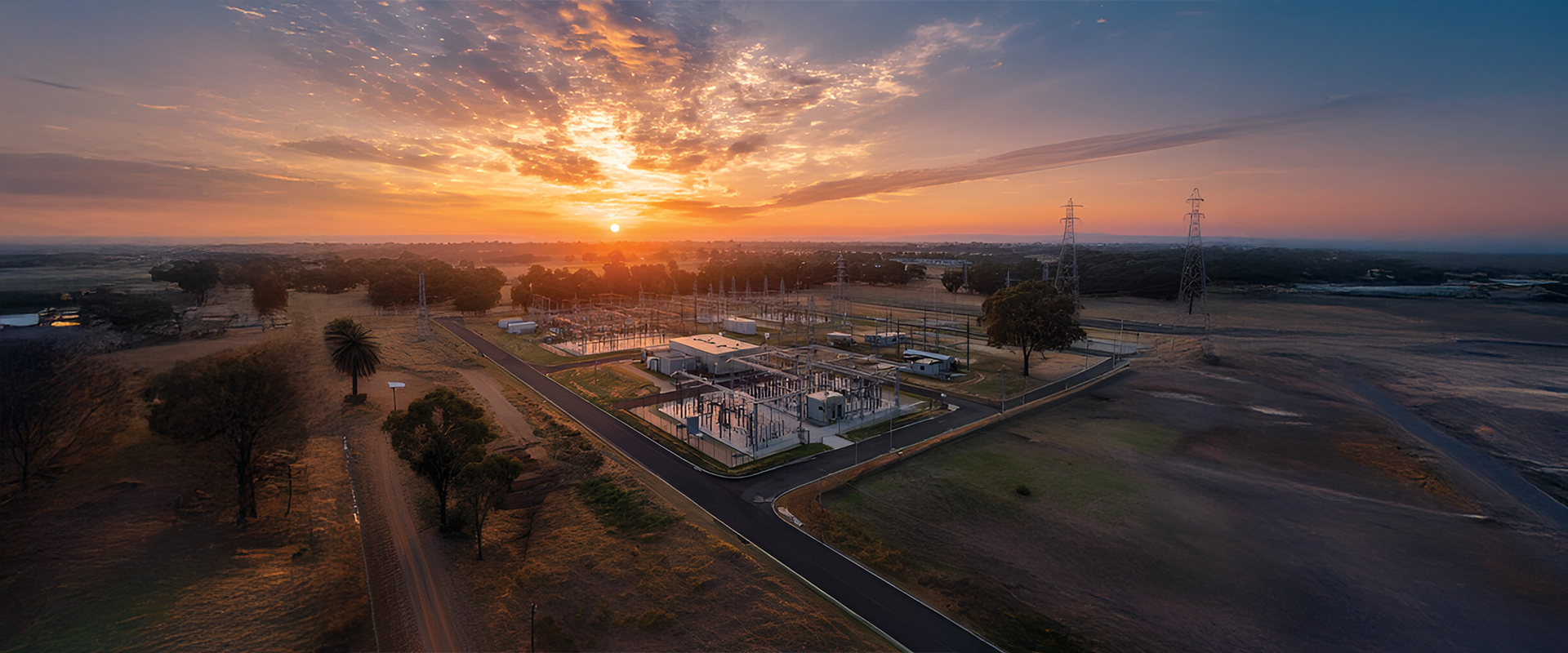
Recognising reliable DC power systems as protection infrastructure aligns engineering practice with operational reality. It strengthens specification discipline, maintenance planning and compliance verification. For asset owners and network operators, this approach reduces risk exposure and reinforces confidence in protection system performance.